Interests
Mycology is a young field relative to other biological disciplines, and the vastness of territory to explore is reflected by my broad interests within Fungi. As a researcher, I intend to restrict my focus on this kingdom to the Agaricales regarding their anatomy and ecology. My goal is to establish a standardized anatomical understanding of this group and facilitate a deeper understanding of taxonomy and the characters which define these organisms.
Hymenogastraceae
There are so many interesting organisms in this group ecologically and chemically. Of this family’s members, I am most interested in the ecological utility of chemical products from Galerina, Gymnopilus, and Psilocybe basidiocarps and mycelia. The functional utility of amatoxins and alkaloids in certain members in their environment is something I would like to explore professionally.
Mycenaceae
The bioluminescent members of this group demonstrate an incredibly unique trait shared by few other terrestrial organisms. My goal is to understand the mechanism and function of bioluminescence within members of this group. I want to contribute to the blossoming research on this family and the possible evolutionary and ecological implications bioluminescence has on fungal communities.
Inocybaceae
The Inocybaceae contain primarily ectomycorrhizal members with compounds of great pharmacological potential. I am primarily interested in the defense mechanisms of this group and the possible role their alkaloids play in their ecology. I hope to continue the investigation on novel alkaloid production and utility within this family in a professional setting. It is my goal to enhance the understanding of this group’s potential in medicine.
Amanitaceae
Similarly to the Inocybaceae, I hope to explore the Amanitaceae’s defensive potential as an ectomycorrhizal macrofungal group. Additionally, this group has an outstanding ethnomycological history warranting continued culinary and medicinal inquiries. As this group’s members occupy the list for many of the most deadly taxa known in the Dikarya, I believe it is important to become better acquainted with its family members. I hope to better educate and encourage macrofungal interest and safety by destigmatizing this incredibly diverse group of organisms.
Strophariaceae
This group interests me because I believe that this largely charismatic group would be a great tool in cultivating interest for conservation efforts. I am interested in pursuing a professional examination of this family’s anatomy and ecology.
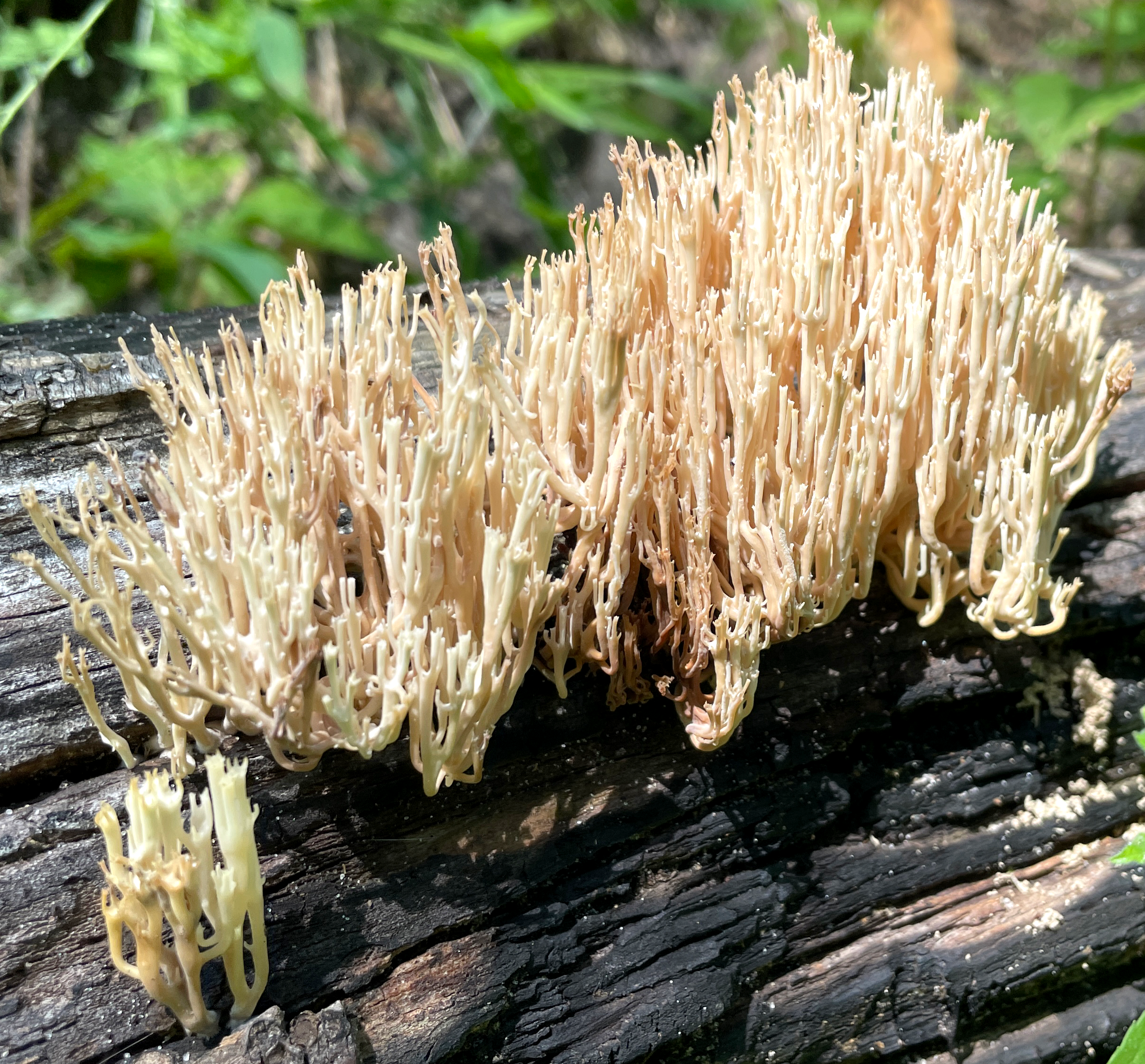
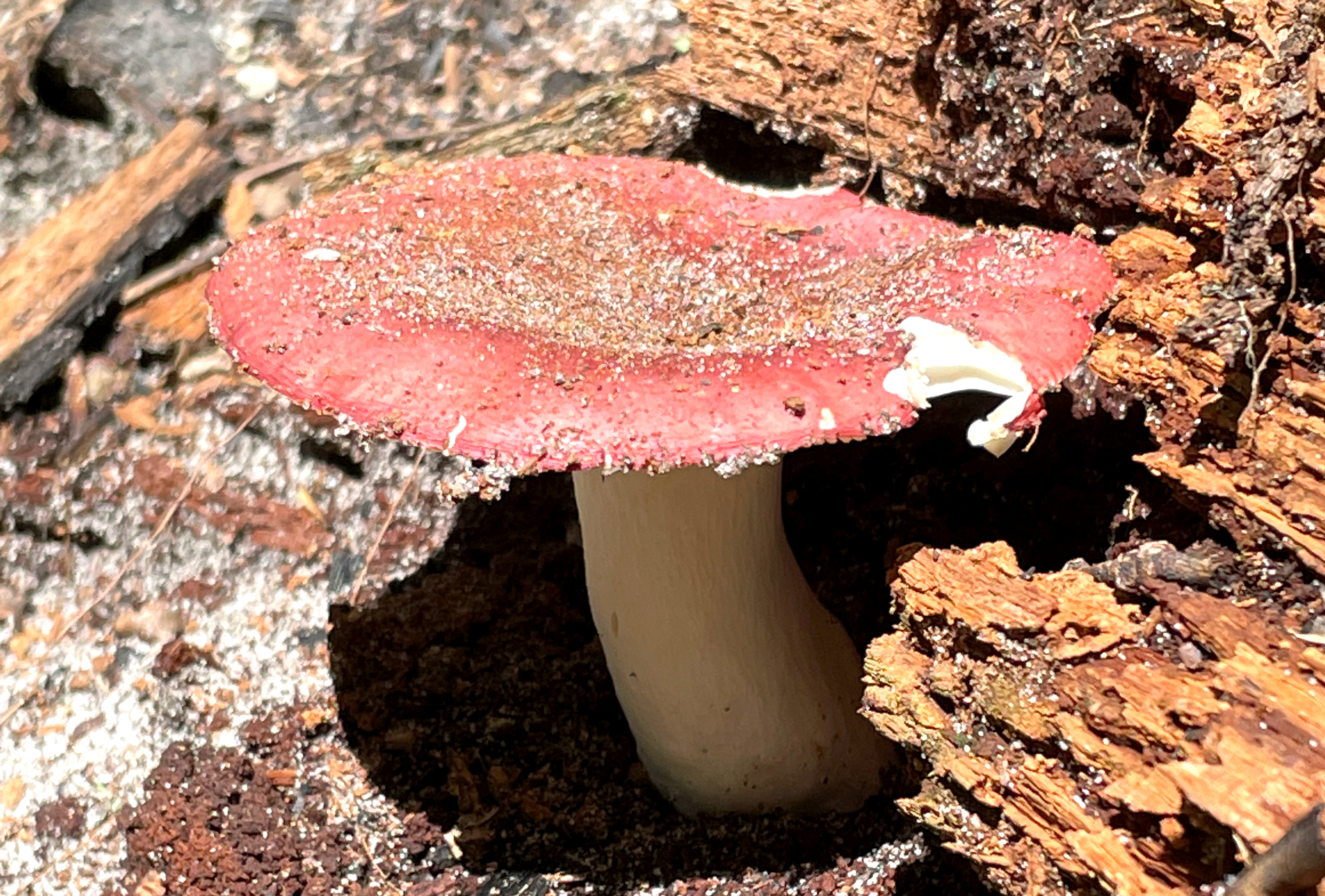
Artomyces pyxidatus (left) and Russula sp.(right)
Field Experience
My field experience in mycology is in collecting the sporocarps and spore prints (where applicable) for both basidio- and ascomycetes with a strong preference held toward the former. Collected specimens are identified at the species level when possible, but species identification occasionally required microscopic character analyses performed in the lab. My work has taken place across the Midwest with the Field Museum, the University of Illinois at Chicago, and for my own individual collections. My long-term goal is to perform larger collections trip across North America for a comprehensive guidebook.
Lab Experience
Working with fungi in the lab is some of the most satisfying lab work available in the biological sciences. My lab experience consists of culturing, identification, and genetics work in professional and recreational settings. Of these experiences, my most extensive is with culturing dikaryan Fungi on many different media.
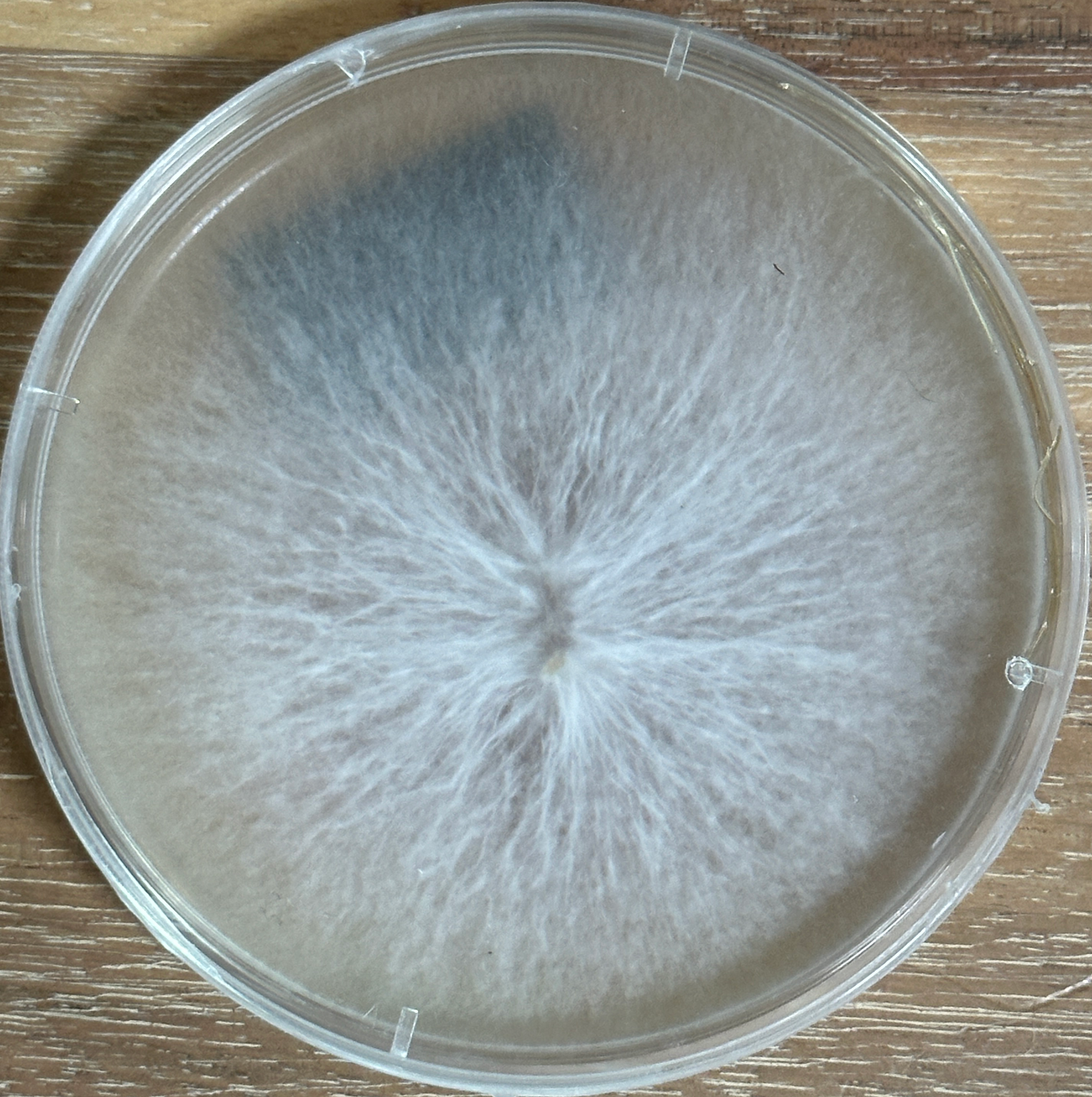
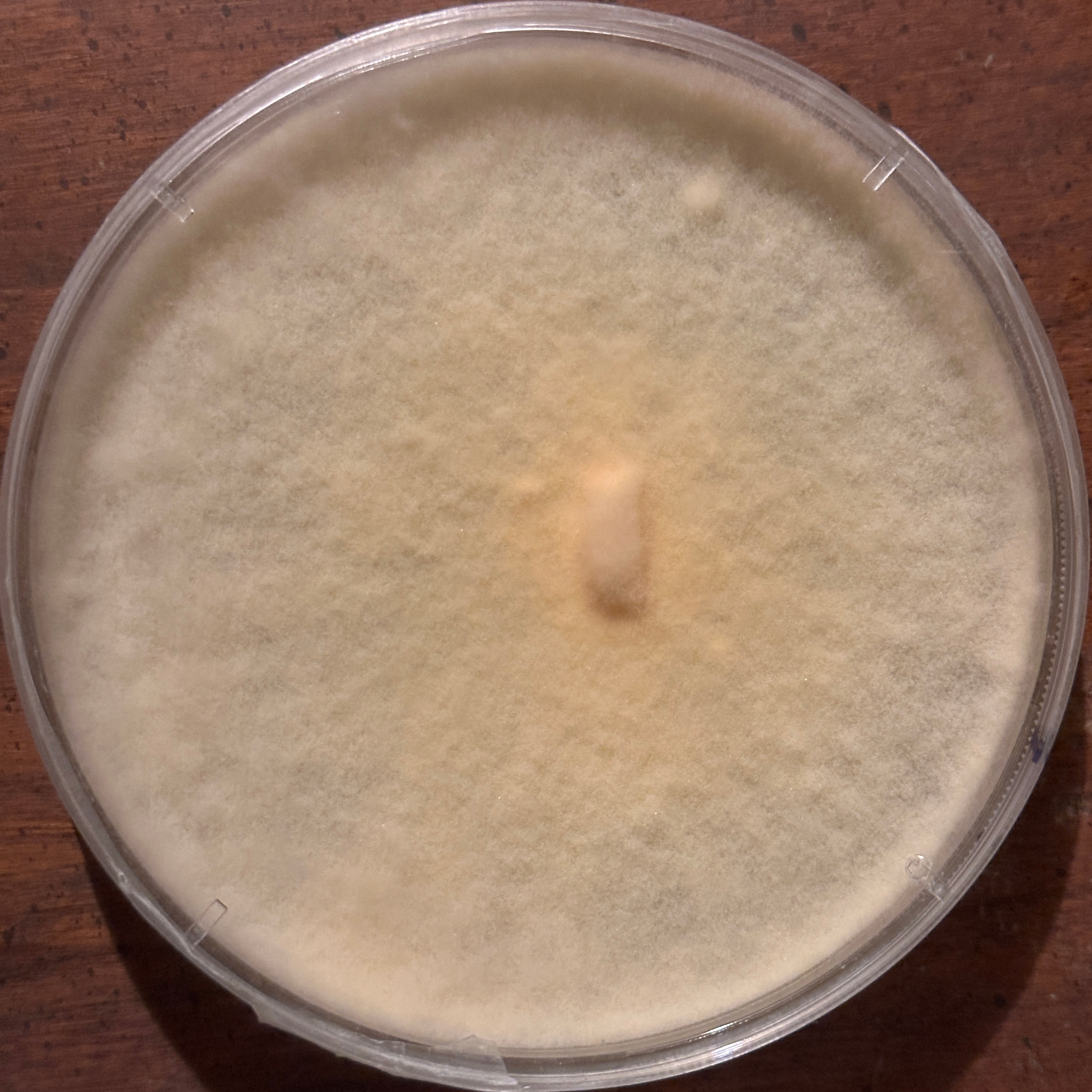
Prepared wild Coprinus comatus (left) and Laetiporus sulphureus (right) tissue cultures on malt extract agar media.